Put on your running shoes, but don’t expect to go fast. Finishing a large scale solar project is like running a marathon, with a few detours, some problems that come up out of nowhere, and maybe even some fighting at city hall.
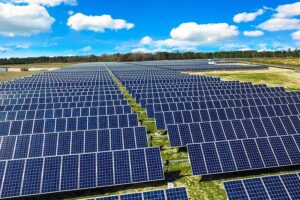
The time it takes to finish can differ a lot from the beginning to the end. We all know about quick builds, but that’s not how things normally go. Before development can start on most utility-scale projects, it might take anywhere from 18 to 36 months to get the land, licenses, and agreements in place. Site hunting is an adventure in itself, as developers look over thousands of acres, run sun studies, and try not to break any restrictions. Environmental impact assessments could unearth a rare orchid or an ancient artifact, and then—poof—six months are gone.
Getting a permission is a lot like being on a jury: it takes a long time, is usually out of your hands, and you can’t do anything about it. Federal, state, and local approvals can get in each other’s way or become mixed up. You could believe you’re just working on one project, but you’re really working on a lot of other things at once, like wetlands reports, zoning sign-offs, animal studies, and grid-connection documents. Your “spring groundbreaking” could turn into “maybe next winter” if something goes wrong, like a community petition or an endangered species.
If the planning is good, the building itself moves more quickly. A 100-megawatt farm can be built in as little as 9 to 12 months. The crane crew’s work depends on the weather. They could be getting a sunburn or shoveling snow. Problems with the supply chain, rain, or mud? That’s more pages in the calendar that have been turned.
Let’s not forget about the power grid right now. It seems simple to secure an interconnection agreement, but you might need to make improvements to transmission lines and substations first. “Utility-scale patience” is what they term it, so utilities might take their time. This can occasionally make the schedule longer by a year or more on its own.
So, are you ready to pick a day for the solar farm’s ribbon cutting? Pick a date and then lightly circle it. The sun doesn’t wait for anyone when it comes to solar development, thus a planner needs to be able to adapt their ideas. It feels like a slow burn until the lights come on.